
Top Fire Protection Systems for Commercial Safety

Fire safety is a critical concern for any commercial establishment. With the potential for devastating losses, both in terms of property and human life, investing in effective fire protection systems is not just a regulatory requirement but a moral obligation. In this blog post, we will explore the top fire protection systems available today, their features, and how they can enhance safety in commercial environments.

Understanding Fire Protection Systems
Fire protection systems are designed to detect, control, and extinguish fires. They can be categorized into several types, each serving a unique purpose. Understanding these systems is essential for making informed decisions about fire safety in your commercial space.
Types of Fire Protection Systems
Fire Alarm Systems
Purpose: Detect smoke or fire and alert occupants.
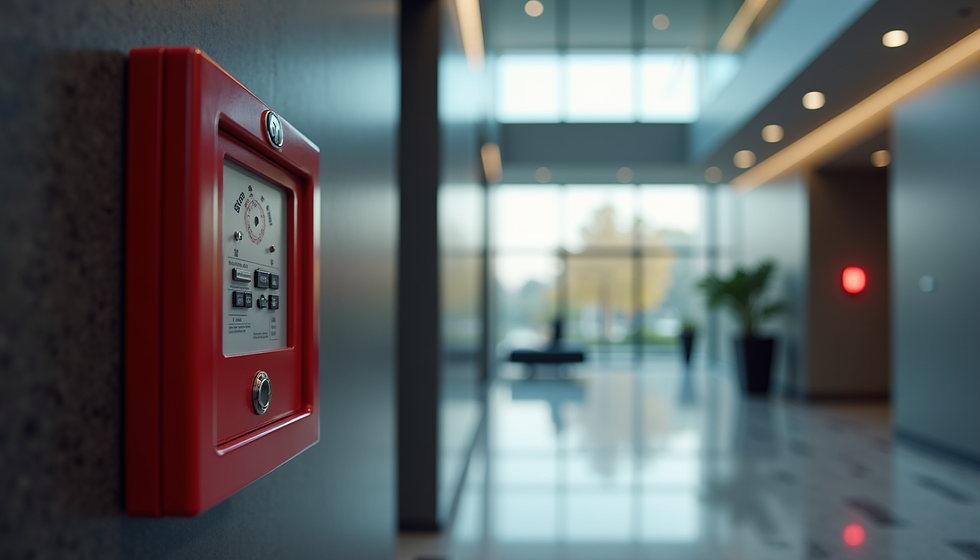
Components: Smoke detectors, heat detectors, manual pull stations, and alarm notification devices.
Example: A commercial building might use a combination of smoke detectors in hallways and manual pull stations near exits to ensure quick alerts.
Fire Sprinkler Systems
Purpose: Suppress fires automatically.
Components: Sprinkler heads, piping, and a water supply.
Example: A warehouse may have a wet pipe sprinkler system that activates when the temperature reaches a certain threshold.
Fire Extinguishers
Purpose: Provide a means for occupants to combat small fires.
Types: Water, foam, dry chemical, CO2, and wet chemical extinguishers.
Example: A restaurant should have Class K extinguishers for kitchen fires, alongside standard ABC extinguishers.
Fire Suppression Systems
Purpose: Control fires in specific areas, such as kitchens or server rooms.
Components: Specialized agents like foam or gas.
Example: A data center may use a clean agent suppression system to protect sensitive equipment without causing damage.
Smoke Control Systems
Purpose: Manage smoke movement during a fire.
Components: Smoke vents, fans, and barriers.
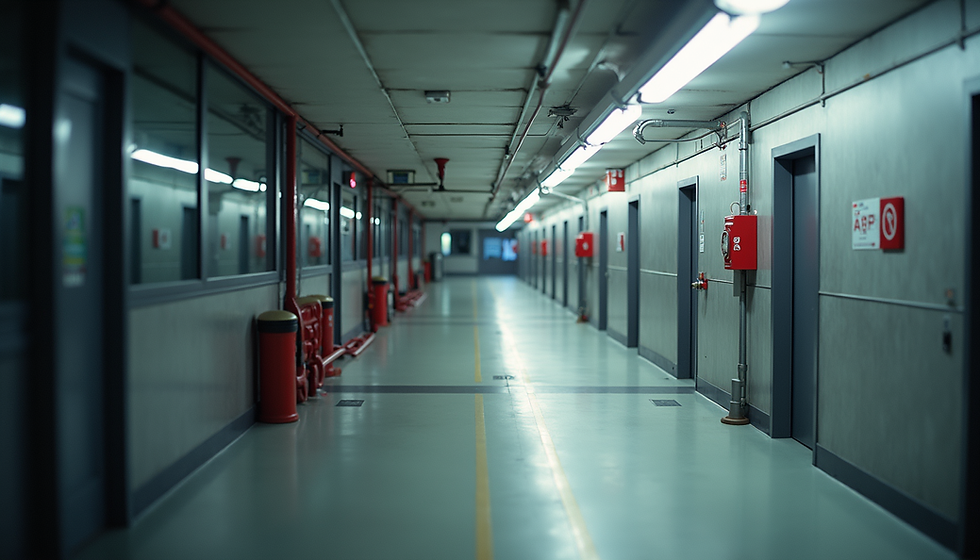
Example: High-rise buildings often employ smoke control systems to keep evacuation routes clear.
Choosing the Right Fire Protection System
Selecting the appropriate fire protection system depends on various factors, including the type of business, building layout, and specific fire risks. Here are some considerations to keep in mind:
Assessing Fire Risks
Conduct a thorough risk assessment to identify potential fire hazards in your commercial space. This includes evaluating:
Materials: Are there flammable materials present?
Occupancy: How many people are typically in the building?
Activities: Are there processes that generate heat or sparks?
Regulatory Compliance
Ensure that your fire protection systems comply with local fire codes and regulations. This may involve consulting with fire safety professionals or local fire marshals to understand the requirements specific to your area.
Integration with Existing Systems
Consider how new fire protection systems will integrate with existing safety measures. For example, a fire alarm system should work seamlessly with sprinkler systems to ensure a coordinated response.
Installation and Maintenance of Fire Protection Systems
Once you have selected the appropriate fire protection systems, proper installation and maintenance are crucial for their effectiveness.
Professional Installation
Always hire certified professionals for the installation of fire protection systems. This ensures that systems are installed correctly and function as intended. Look for companies with experience in commercial fire safety.
Regular Maintenance
Regular maintenance is essential to keep fire protection systems in optimal working condition. This includes:
Routine Inspections: Schedule annual inspections for fire alarms and sprinklers.
Testing: Conduct regular tests of fire extinguishers and suppression systems.
Repairs: Address any issues immediately to prevent system failures.
Training Employees on Fire Safety
Even the best fire protection systems are ineffective without proper training for employees. Here are some key training components to consider:
Fire Drills
Conduct regular fire drills to ensure that employees know how to respond in case of a fire. This includes:
Evacuation Routes: Familiarize employees with the nearest exits.
Assembly Points: Designate safe areas for employees to gather after evacuating.
Use of Fire Extinguishers
Train employees on how to use fire extinguishers effectively. This includes understanding the different types of extinguishers and when to use them.
Emergency Procedures
Develop clear emergency procedures and ensure all employees are aware of them. This should include:
Reporting Fires: How to alert others and call emergency services.
Assisting Others: Guidelines for helping those who may need assistance during an evacuation.
Conclusion
Investing in fire protection systems is a vital step in safeguarding your commercial establishment. By understanding the various types of systems available, assessing risks, ensuring compliance, and training employees, you can create a safer environment for everyone. Remember, fire safety is not just about having the right equipment; it’s about fostering a culture of safety within your organization. Take action today to protect your business and its most valuable asset—its people.

Comments