
Understanding the Importance of Fire Alarms and Their Installation

Updated: Jan 23
Fire safety is a critical aspect of protecting lives and property. Whether in homes, offices, or industrial settings, having a reliable fire alarm system can make a significant difference during emergencies. I have spent considerable time learning about fire alarm systems, and I want to share insights that can help you understand their importance and how to ensure they are installed correctly.

The Importance of Fire Alarms in Safety
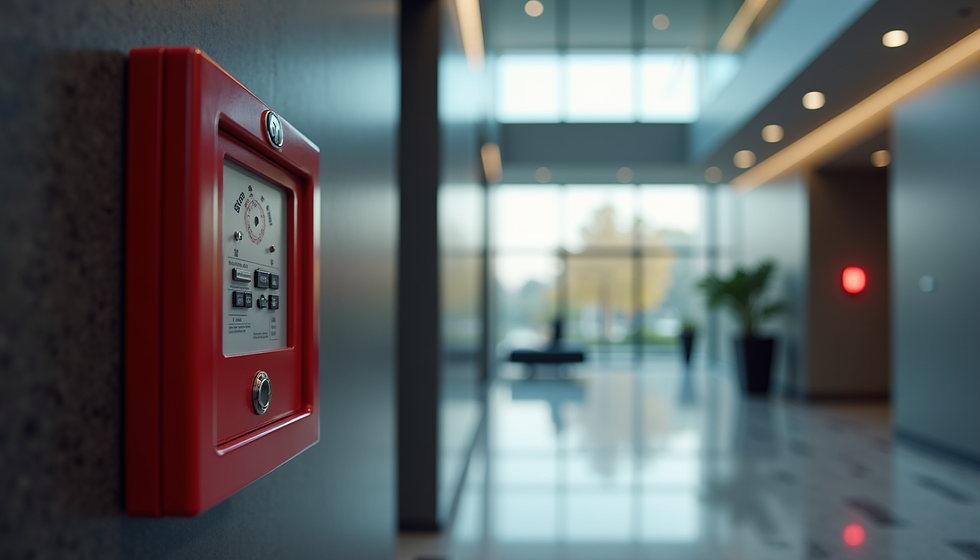
Fire alarms serve as the first line of defense against fire hazards. They provide early warnings that allow occupants to evacuate safely and alert emergency services promptly. The importance of fire alarms cannot be overstated, especially in densely populated or high-risk areas.
In residential buildings, a fire alarm can save lives by waking sleeping occupants and giving them precious time to escape. In commercial and industrial environments, these systems protect not only people but also valuable equipment and inventory. The financial and emotional costs of fire damage are often devastating, making fire alarms an essential investment.
Regular maintenance and testing of fire alarms ensure they function correctly when needed. It is also important to choose the right type of alarm for the specific environment. For example, smoke detectors are common in homes, while heat detectors might be more suitable for industrial settings where smoke is expected during normal operations.

Types of Fire Alarm Systems
Understanding the different types of fire alarm systems helps in selecting the right one for your needs. There are several categories, each designed for specific applications:
Conventional Fire Alarm Systems: These systems divide a building into zones. When an alarm is triggered, it indicates the zone where the fire is detected but not the exact location. They are suitable for smaller buildings.
Addressable Fire Alarm Systems: These provide precise information about the location of the fire. Each device has a unique address, making it easier to identify the source of the alarm. These systems are ideal for larger or more complex buildings.
Wireless Fire Alarm Systems: These systems use radio signals to communicate between devices. They are easier to install in existing buildings without extensive wiring.
Hybrid Systems: Combining wired and wireless components, hybrid systems offer flexibility and reliability.
Each system type has its advantages and limitations. The choice depends on factors such as building size, layout, occupancy, and budget.
How do you install a fire alarm?
Installing a fire alarm system requires careful planning and adherence to safety standards. Here is a step-by-step overview of the process:
Assessment and Planning: Evaluate the building layout, identify high-risk areas, and determine the number and type of detectors needed.
Selecting Equipment: Choose fire alarms, control panels, and notification devices that meet regulatory requirements and suit the environment.
Wiring and Placement: Install wiring according to the design plan. Place detectors on ceilings or walls, avoiding areas prone to false alarms like kitchens or bathrooms.
Connecting Devices: Link detectors to the control panel. For addressable systems, assign unique addresses to each device.
Testing and Commissioning: Test the entire system to ensure all components work correctly. This includes simulating alarms and verifying notification devices.
Training and Documentation: Provide training to occupants or staff on how to respond to alarms. Maintain documentation for maintenance and inspections.
Professional installation is recommended to ensure compliance with local fire safety codes and standards. Improper installation can lead to system failure or false alarms, reducing the effectiveness of the fire safety measures.

Maintenance and Regular Testing
Once installed, fire alarm systems require ongoing maintenance to remain effective. Regular testing helps identify faults before they become critical. Here are some key maintenance practices:
Monthly Testing: Test alarms by pressing the test button to ensure the sounder works.
Annual Inspection: Have a qualified technician inspect the entire system, including wiring, detectors, and control panels.
Battery Replacement: Replace batteries in battery-operated alarms at least once a year or when low battery warnings occur.
Cleaning Detectors: Dust and debris can affect detector sensitivity. Clean devices regularly according to manufacturer instructions.
Record Keeping: Maintain logs of all tests, inspections, and maintenance activities.
Proper maintenance extends the life of the system and ensures it performs reliably during emergencies.
Choosing the Right Fire Alarm System for Your Needs
Selecting the appropriate fire alarm system depends on several factors:
Building Type and Size: Larger buildings may require addressable systems for precise detection.
Occupancy: High-occupancy buildings need systems with clear notification methods.
Environmental Conditions: Industrial settings may require heat detectors or specialized alarms.
Budget: Balance cost with the level of protection needed.
Compliance: Ensure the system meets local fire safety regulations and standards.
Consulting with fire safety experts can help tailor a solution that fits your specific requirements. Companies like Milestone Aquatech LLP specialize in providing comprehensive fire safety solutions across India, including design, installation, and maintenance services.
For those interested in professional fire alarm installation, working with experienced providers ensures the system is correctly designed and installed to maximize safety.
Enhancing Fire Safety Beyond Alarms
While fire alarms are crucial, they are part of a broader fire safety strategy. Additional measures include:
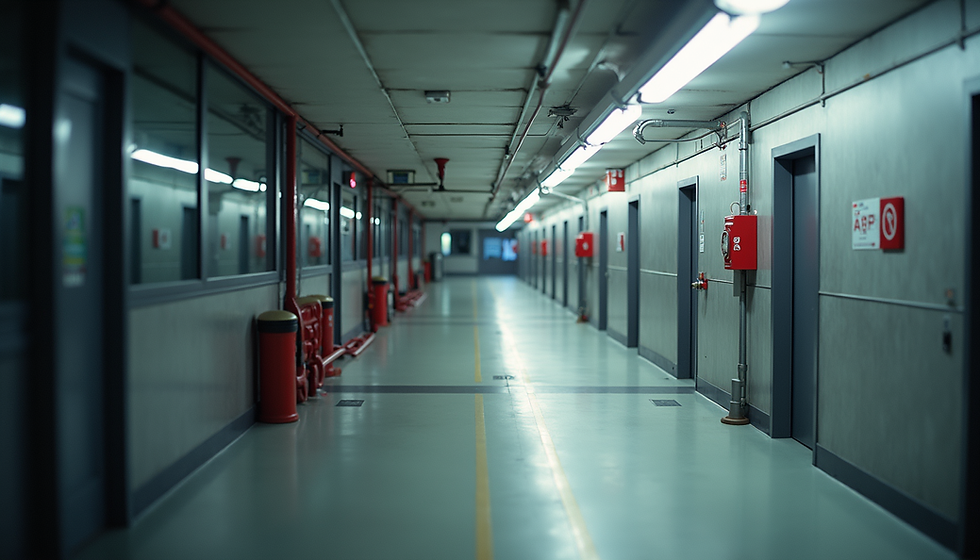
Fire Extinguishers: Placing appropriate extinguishers in accessible locations.
Emergency Lighting: Ensuring clear visibility during evacuations.
Fire Doors and Exits: Maintaining unobstructed and clearly marked escape routes.
Training and Drills: Educating occupants on fire response procedures.
Fire Suppression Systems: Installing sprinklers or other suppression technologies where necessary.
Integrating these elements creates a safer environment and reduces the risk of fire-related injuries and damage.
Final Thoughts on Fire Alarm Systems
Understanding the importance of fire alarms and their proper installation is essential for effective fire safety. A well-chosen and professionally installed system provides early warning, helping to protect lives and property. Regular maintenance and integration with other safety measures further enhance protection.
Investing in quality fire alarm systems and services is a proactive step toward minimizing fire risks. Whether for residential, commercial, or industrial properties, prioritizing fire safety is a responsibility that pays dividends in security and peace of mind.

Comments