
Essential Fire Alarm Systems for Every Business

Fire safety is a critical concern for any business, regardless of its size or industry. A reliable fire alarm system is not just a regulatory requirement; it is a vital component of a comprehensive safety strategy. In this blog post, we will explore the essential fire alarm systems that every business should consider, ensuring the safety of employees, customers, and property.

Understanding Fire Alarm Systems
Fire alarm systems are designed to detect and alert occupants of a building to the presence of smoke or fire. These systems can vary significantly in complexity and functionality, depending on the needs of the business.
Components of Fire Alarm Systems
A typical fire alarm system consists of several key components:
Smoke Detectors: These devices detect smoke particles in the air and trigger the alarm.
Heat Detectors: These sensors respond to changes in temperature, activating the alarm when a certain threshold is reached.
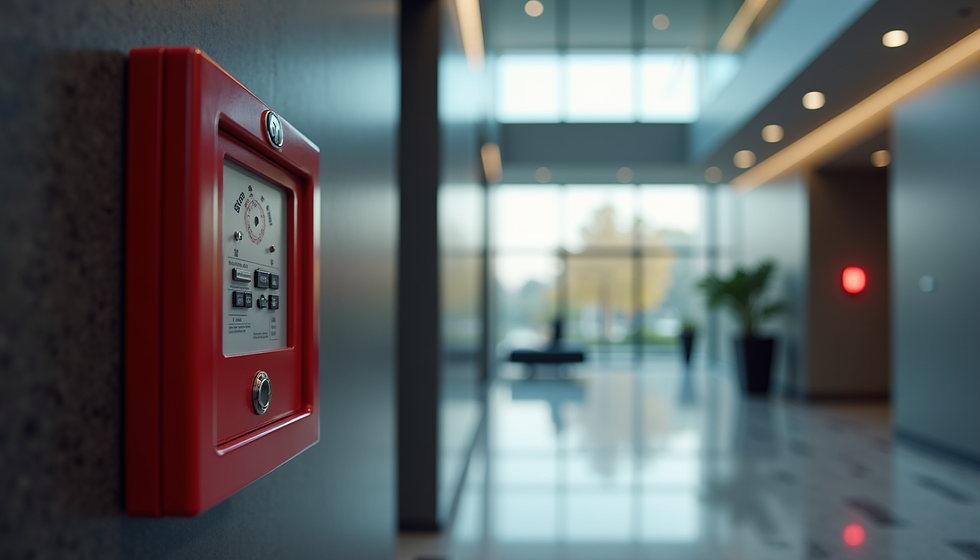
Manual Pull Stations: Located throughout the building, these allow individuals to manually trigger the alarm in case of a fire.
Alarm Notification Devices: These include sirens, bells, or strobe lights that alert occupants to evacuate.
Control Panel: This is the brain of the fire alarm system, monitoring inputs from detectors and managing alarm signals.
Types of Fire Alarm Systems
There are several types of fire alarm systems, each suited for different environments:
Conventional Fire Alarm Systems: These are basic systems that divide the building into zones. When a detector is triggered, the control panel indicates which zone has the alarm.
Addressable Fire Alarm Systems: More advanced than conventional systems, addressable systems allow for individual identification of each device. This means that when an alarm is triggered, the control panel displays the exact location of the problem.
Wireless Fire Alarm Systems: Ideal for buildings where wiring is impractical, these systems use radio signals to communicate between devices.
Smart Fire Alarm Systems: These systems integrate with other smart technologies in a building, allowing for remote monitoring and control via smartphones or computers.
Why Every Business Needs a Fire Alarm System
The importance of having a fire alarm system cannot be overstated. Here are some compelling reasons:
Life Safety: The primary purpose of a fire alarm system is to save lives. Early detection can provide crucial minutes for evacuation.
Property Protection: A fire can cause devastating damage to property. A fire alarm system can help minimize losses by alerting occupants and emergency services quickly.
Compliance with Regulations: Many jurisdictions require businesses to have fire alarm systems in place. Non-compliance can result in fines and legal issues.
Insurance Benefits: Having a fire alarm system can lower insurance premiums, as it reduces the risk of significant losses.
Choosing the Right Fire Alarm System
When selecting a fire alarm system for your business, consider the following factors:
Size and Layout of the Building
The size and layout of your building will significantly influence the type of fire alarm system you need. Larger buildings may require more complex systems with multiple zones or addressable features.
Type of Business
Different industries have unique fire risks. For example, a restaurant may have different fire hazards compared to an office building. Understanding these risks can help in selecting the appropriate system.
Budget
Fire alarm systems can vary widely in cost. It is essential to balance quality and budget, ensuring that you invest in a system that meets your needs without overspending.
Maintenance and Support
Choose a system that comes with reliable maintenance and support options. Regular testing and maintenance are crucial to ensure the system functions correctly when needed.
Installation and Maintenance of Fire Alarm Systems
Professional Installation
Installing a fire alarm system is not a DIY project. It requires expertise to ensure that the system is correctly set up and compliant with local codes. Hiring a professional installer can save you time and ensure the system operates effectively.
Regular Testing and Maintenance
Once installed, regular testing and maintenance are essential. This includes:
Monthly testing of alarms and detectors.
Annual inspections by a certified technician.
Replacing batteries in detectors as needed.
Employee Training
Training employees on how to respond in case of a fire alarm is equally important. Conduct regular fire drills to ensure everyone knows the evacuation routes and procedures.
Common Fire Alarm System Mistakes to Avoid
When it comes to fire alarm systems, certain mistakes can compromise safety:
Ignoring Local Codes: Always ensure your system complies with local fire codes and regulations.
Neglecting Maintenance: Failing to maintain the system can lead to malfunctions when it matters most.
Underestimating the Importance of Training: Employees should be well-informed about fire safety protocols and how to respond to alarms.
Conclusion
Investing in a reliable fire alarm system is essential for every business. It not only protects lives but also safeguards property and ensures compliance with regulations. By understanding the different types of systems available, choosing the right one for your needs, and committing to regular maintenance and training, you can create a safer environment for everyone involved.
Take the next step in enhancing your business's fire safety by evaluating your current fire alarm system or considering a new installation. Remember, when it comes to fire safety, being proactive is always better than being reactive.


Comments